Business class flights offer a premium travel experience that goes beyond the ordinary. From luxurious amenities to top-notch services, discover the world of upscale air travel with Business class flights.
Explore the realm of luxury in the skies, where comfort meets sophistication, and every detail is tailored to elevate your journey.
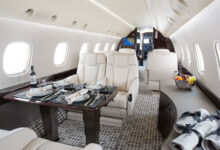



Overview of Business Class Flights
Business class flights offer a range of amenities designed to enhance the overall travel experience for passengers. These amenities typically include priority check-in, access to exclusive airport lounges, spacious and comfortable seating, gourmet meals, premium entertainment options, extra legroom, and dedicated flight attendants to cater to passengers’ needs.
Amenities Offered in Business Class
- Priority check-in and boarding
- Access to exclusive airport lounges
- Spacious and comfortable seating
- Gourmet meals and premium drink options
- Enhanced entertainment systems
- Extra legroom and lie-flat seats for long-haul flights
- Dedicated flight attendants for personalized service
Advantages of Choosing Business Class
- Increased comfort and space during the flight
- Priority treatment at the airport, reducing wait times
- High-quality dining options and premium beverages
- Enhanced entertainment systems for a more enjoyable journey
- Ability to work or rest effectively during the flight
Pricing Structure of Business Class Tickets
Business class tickets typically come at a higher price point compared to economy class due to the added amenities and services provided. The pricing structure for business class tickets can vary based on factors such as the airline, route, time of booking, and demand. However, the benefits and comfort offered in business class often justify the higher cost for travelers seeking a more luxurious and convenient flying experience.
Booking Business Class Flights
When it comes to booking business class flights, there are several strategies you can use to find affordable tickets and even upgrade from economy. Additionally, leveraging frequent flyer miles and loyalty programs can also help you secure business class upgrades.
Finding Affordable Business Class Tickets
One of the best strategies for finding affordable business class tickets is to book well in advance. Airlines often offer lower prices for business class seats if you book early. Another tip is to be flexible with your travel dates and times, as prices can vary depending on the day of the week and time of year. Additionally, consider flying during off-peak times to find better deals on business class tickets.
Upgrading to Business Class from Economy
If you’re looking to upgrade from economy to business class, consider bidding for an upgrade. Some airlines allow passengers to bid for upgrades closer to the departure date. Another option is to inquire about last-minute upgrade deals at the check-in counter. Additionally, joining the airline’s frequent flyer program can increase your chances of getting complimentary upgrades based on your loyalty status.
Benefits of Using Frequent Flyer Miles or Loyalty Programs
Using frequent flyer miles or loyalty programs can be a great way to secure business class upgrades. Accumulating miles through travel or credit card purchases can help you earn enough points for a business class upgrade. Additionally, loyalty programs often offer perks such as priority boarding, lounge access, and discounted upgrades for frequent flyers.
In-Flight Experience
When flying in business class, passengers can expect a luxurious and comfortable experience that goes beyond just the booking process. From gourmet dining options to top-notch entertainment services, business class flights offer a variety of amenities to make the journey enjoyable.
Dining Options
In business class, passengers are treated to a wide selection of gourmet dishes prepared by top chefs. From appetizers to main courses to decadent desserts, there is something to satisfy every palate. Special dietary accommodations such as vegetarian, gluten-free, or kosher meals can be requested in advance to ensure a customized dining experience. Additionally, a selection of premium wines, champagne, cocktails, and other beverages are available throughout the flight.
Seating Arrangements and Comfort
Business class seats are designed for maximum comfort and relaxation during the flight. The seats typically offer more legroom, a greater recline capability, and additional amenities such as pillows, blankets, and noise-canceling headphones. The seat configuration may vary depending on the airline, but most business class cabins provide spacious and private seating arrangements to ensure a comfortable journey.
Entertainment Choices
Passengers in business class can enjoy a variety of entertainment options to keep themselves entertained during the flight. This includes on-demand movies, TV shows, music, and games that can be accessed through personal entertainment systems. Some airlines also offer unique services like in-flight Wi-Fi, live TV streaming, and amenity kits filled with essentials for a more enjoyable travel experience.
Comparison with Economy Class
To highlight the differences between business class and economy class, a comparison table can be created to showcase key features such as seat size, additional services, meal options, and overall comfort. Business class typically offers larger seats, gourmet dining options, enhanced entertainment choices, and a more luxurious travel experience compared to economy class.
Special Services and Accommodations
Passengers can easily request special services or accommodations before their flight by contacting the airline or their travel agent. This can include wheelchair assistance, dietary restrictions, seating preferences, or any other specific needs. By communicating these requirements in advance, passengers can ensure a smooth and comfortable journey tailored to their individual needs.
Airport Lounge Access
When flying business class, one of the perks you can enjoy is access to airport lounges. These exclusive spaces offer a range of amenities and services to make your travel experience more comfortable and enjoyable.
Benefits of Airport Lounge Access
- Complimentary food and drinks
- Comfortable seating and workspaces
- Wi-Fi and charging stations
- Quiet and relaxing environment
Comparing Facilities and Services
Airline lounges vary in terms of facilities and services offered. Some may have showers, spa services, private suites, or even nap rooms, while others focus more on business amenities like meeting rooms and printing services.
Maximizing Lounge Benefits
- Arrive early to take full advantage of the amenities
- Utilize the complimentary food and drinks to save money on in-flight meals
- Take advantage of quiet workspaces to catch up on work or relax before your flight
Common Lounge Amenities
- Buffet or a la carte dining options
- Barista-made coffee and premium beverages
- Reading materials and entertainment options
- Shower facilities and toiletries
Finding Discounted Lounge Access
Consider purchasing a lounge pass in advance or using credit card perks to gain access at a discounted rate. Some programs also offer discounted access for frequent travelers or through partnerships with other companies.
Types of Airport Lounges
Airport lounges can be airline-specific, independent, or accessible through credit card programs. Each type has its own set of amenities and access requirements, so it’s important to understand the differences before choosing a lounge.
Making the Most of Limited Time
- Prioritize your needs and focus on utilizing the amenities that are most important to you
- Plan your time wisely to fit in relaxation, work, and dining before your flight
Best Airport Lounges Around the World
Some of the best airport lounges around the world are known for their exceptional food quality, luxurious ambiance, and top-notch shower facilities. Consider visiting lounges like The Pier in Hong Kong, Qatar Airways Al Safwa Lounge in Doha, or the Turkish Airlines Lounge in Istanbul for a truly exceptional experience.
Business Class Travel Etiquette
In business class, passengers are expected to adhere to a certain level of decorum and etiquette to ensure a pleasant and comfortable journey for all travelers. This includes following a specific dress code, interacting respectfully with flight attendants, and being considerate of fellow passengers.
Expected Behavior and Dress Code
- Business class passengers are typically expected to dress in smart, business-casual attire. This may include tailored clothing, dresses, or dressy separates.
- Avoid wearing overly casual clothing such as sweatpants, flip-flops, or clothing with offensive language or images.
- Remember to maintain personal hygiene and avoid strong scents or perfumes that may bother other passengers.
Interacting with Flight Attendants
- When interacting with flight attendants in business class, be polite and respectful at all times.
- Follow the instructions given by the flight attendants promptly and without argument.
- If you require assistance, use the call button discreetly and wait patiently for a flight attendant to assist you.
Tips for Making the Most of the Business Class Experience
- Respect the personal space of other passengers and avoid loud conversations or disruptive behavior.
- Take advantage of the amenities offered in business class, such as premium meals, entertainment options, and comfortable seating.
- Be mindful of noise levels, especially during overnight flights when other passengers may be trying to rest.
Business Class Cabin Crew
When it comes to the cabin crew in business class, they play a crucial role in ensuring passengers have a comfortable and enjoyable flight experience. Let’s delve into the training, responsibilities, and professionalism required of business class cabin crew.
Training and Qualifications
- Cabin crew in business class are typically required to undergo extensive training that includes safety procedures, customer service, and specific protocols for premium passengers.
- Many airlines also require their business class cabin crew to hold certifications such as CPR, first aid, and emergency evacuation training.
- Language proficiency is essential for cabin crew in business class, as they must be able to communicate effectively with passengers from diverse backgrounds.
Responsibilities of Cabin Crew
- Business class cabin crew are responsible for providing personalized service to passengers, catering to their individual needs and preferences.
- Attention to detail is crucial for cabin crew in business class, as they must ensure that every aspect of the passenger’s experience is seamless and exceptional.
Meeting Passengers’ Needs
- Cabin crew in business class can anticipate passengers’ needs by familiarizing themselves with their preferences, such as dietary restrictions, preferred drink choices, or seating preferences.
- By being proactive and attentive, cabin crew can ensure that passengers have a comfortable and enjoyable flight without having to request assistance.
Professional Appearance and Demeanor
- It is essential for business class cabin crew to maintain a professional appearance at all times, including grooming standards and uniform presentation.
- A courteous and friendly demeanor is also key, as cabin crew must exude a sense of warmth and hospitality to create a welcoming environment for passengers.
Handling Challenging Situations
- In the event of challenging situations or difficult passengers, business class cabin crew must remain calm, composed, and diplomatic in their approach.
- Effective communication and conflict resolution skills are vital for cabin crew to de-escalate situations and ensure the comfort and safety of all passengers on board.
Business Class Amenities
Business class passengers enjoy a range of special amenities that enhance their travel experience and make their journey more comfortable and convenient.
Exclusive Amenities for Business Class Passengers
- Spacious Seating: Business class seats offer more legroom, wider seats, and increased recline for added comfort during the flight.
- Gourmet Meals: Passengers can enjoy a selection of gourmet meals and premium beverages curated by top chefs.
- Priority Boarding: Business class passengers have priority boarding, allowing them to settle in and relax before takeoff.
- Access to Exclusive Lounges: Business class travelers have access to exclusive lounges at airports, providing a quiet and comfortable space to wait for their flight.
Partnerships with Luxury Brands
- Airlines partner with luxury brands to offer premium amenities such as designer amenity kits, luxurious bedding, and skincare products to business class passengers.
Unique Amenities Offered by Airlines
- On-Board Bars: Some airlines feature on-board bars where passengers can socialize and enjoy a drink during the flight.
- In-Flight Spa Treatments: Certain airlines offer in-flight spa treatments, allowing passengers to relax and rejuvenate while in the air.
- Personalized Service: Business class passengers receive personalized service from dedicated flight attendants, ensuring their needs are met throughout the flight.
Benefits of Booking Business Class Tickets
Booking business class tickets provides passengers with a superior travel experience characterized by comfort, convenience, and personalized service. The special amenities and luxurious touches offered in business class enhance the overall journey, making it a truly memorable experience for travelers.
Business Class Travel Trends
Business class travel has evolved significantly over the years, with airlines constantly adapting to meet the changing preferences and demands of their passengers. Let’s take a closer look at some of the recent trends in business class travel and what the future may hold for this segment of the industry.
Eco-Friendly Initiatives
- Many airlines are now focusing on sustainability and introducing eco-friendly initiatives in their business class cabins.
- Some airlines have started offering carbon offset programs, using biofuels, and reducing single-use plastics to make their business class flights more environmentally friendly.
- Passengers are becoming increasingly conscious of their carbon footprint, and airlines are responding by incorporating more sustainable practices into their business class offerings.
Technology Integration
- Technology is playing a crucial role in enhancing the business class travel experience, with airlines investing in advanced inflight entertainment systems, improved connectivity, and personalized services.
- Virtual reality headsets, noise-canceling headphones, and high-speed Wi-Fi are becoming standard amenities in many business class cabins, catering to the tech-savvy travelers.
- Airlines are also exploring the use of biometrics for seamless check-in and boarding processes, providing a more efficient and hassle-free experience for business class passengers.
Luxury Partnerships
- To elevate the overall experience, airlines are partnering with luxury brands to offer exclusive amenities, gourmet dining options, and designer amenities kits in their business class cabins.
- Collaborations with renowned chefs, premium skincare brands, and high-end fashion houses are becoming increasingly common, adding a touch of luxury to the business class travel experience.
- These partnerships not only enhance the onboard services but also create a sense of exclusivity and sophistication for business class passengers.
Business Class Vs. First Class
When it comes to premium air travel, the distinction between Business Class and First Class is essential for passengers seeking the ultimate flying experience.
Services and Amenities Comparison
Business Class typically offers spacious seats that recline into a fully flat bed, gourmet dining options, priority boarding, and enhanced privacy. First Class, on the other hand, provides even more luxurious amenities such as private suites, personalized service, exclusive dining menus, and access to onboard showers.
Pricing and Target Demographics
- Business Class is often priced lower than First Class, making it a popular choice for business travelers and frequent flyers seeking comfort and efficiency.
- First Class caters to high-net-worth individuals, celebrities, and those looking for the most extravagant travel experience.
Factors Influencing Passenger’s Choice
- Passengers choose Business Class for a balance between comfort and cost, while those opting for First Class prioritize luxury and exclusivity.
- Travel purpose, budget, and personal preferences play a significant role in deciding between Business Class and First Class.
Detailed Comparison Chart
| Category | Business Class | First Class |
|---|---|---|
| Seat | Reclining seat with ample legroom | Private suite with flat-bed |
| Service | Personalized service and gourmet dining | Exclusive service and bespoke dining |
| Price | Lower than First Class | Higher premium pricing |
Airlines with Exceptional Experiences
Emirates, Singapore Airlines, and Qatar Airways are renowned for their exceptional Business Class and First Class offerings, setting new standards in luxury air travel.
Check-in Process and Lounge Access
- Business Class passengers enjoy priority check-in and access to premium lounges with amenities like showers, dining options, and relaxation spaces.
- First Class passengers often have dedicated check-in counters and exclusive access to ultra-luxurious lounges with personalized services.
Seat Configurations and In-flight Entertainment
- Business Class seats are spacious and offer advanced entertainment systems, while First Class provides private suites with the latest technology and larger screens.
- First Class often features more innovative seat configurations and entertainment options to enhance the overall flying experience.
Exclusive Partnerships and Collaborations
Airlines like Etihad Airways and British Airways partner with luxury brands and renowned chefs to offer unique experiences in both Business Class and First Class, creating a seamless blend of comfort and sophistication.
Business Class Flight Reviews
When writing a detailed review of a business class flight, it is essential to structure it in a step-by-step manner to cover all aspects comprehensively. Here is a guide to help you craft a thorough review that includes seat comfort, in-flight entertainment, food quality, and customer service.
Structuring a Detailed Review
- Start by introducing the airline, flight number, and route for context.
- Discuss seat comfort, including legroom, recline, and overall space.
- Evaluate the in-flight entertainment options available, such as movies, TV shows, and music.
- Share your thoughts on the food quality, presentation, and variety offered during the flight.
- Describe the level of customer service received from the cabin crew, including responsiveness and attentiveness.
Comparison Table for Airlines’ Business Class Services
Creating a comparison table can be a helpful tool to evaluate different airlines’ business class services objectively. Consider criteria like legroom, amenities, and overall value for money to provide a comprehensive overview for readers.
Importance of Personal Examples in Reviews
Including specific examples and personal experiences in your flight reviews can make them more relatable and informative for readers. Sharing anecdotes and real-life scenarios can help paint a vivid picture of the overall flight experience.
Incorporating Ratings in Reviews
To offer a more quantitative assessment of the flight experience, consider incorporating ratings or scores in your review. This can provide readers with a clear and structured overview of each aspect of the business class flight.
Balanced Perspective in Reviews
When writing a review, it is crucial to consider both positive and negative aspects of the business class flight. Offering a balanced perspective ensures that potential passengers have a comprehensive understanding of what to expect, allowing them to make informed decisions.
Business Class Flight Routes
Business class flights are in high demand on popular international routes due to the comfort, luxury, and premium services they offer to passengers. Airlines carefully select routes for operating business class flights based on various factors such as demand, profitability, competition, and strategic partnerships.
Factors Influencing Route Selection
Factors influencing the selection of routes for operating business class flights include passenger demand, economic viability, competition, strategic partnerships, and aircraft availability. Airlines analyze market trends, passenger preferences, and competitor strategies to determine which routes to prioritize for offering business class services.
Competition Among Airlines
Airlines face intense competition on lucrative business class routes, as they strive to attract high-paying passengers with premium services and amenities. Competition among airlines often leads to enhancements in business class offerings, including improved seats, gourmet meals, personalized service, and exclusive lounge access. Airlines differentiate themselves through innovative cabin designs, entertainment options, and loyalty programs to capture the lucrative business class market.
Popular International Business Class Routes
- New York to London
- Tokyo to Singapore
- Dubai to New York
- Los Angeles to Sydney
- Paris to Hong Kong
Business Class Flight Safety
Business class flights prioritize passenger safety by implementing specific safety protocols and measures within the cabin. The cabin crew plays a crucial role in ensuring that passengers are well-informed and prepared for any emergency situations that may arise during the flight.
Safety Protocols in Business Class
- Pre-flight safety demonstration: The cabin crew provides a thorough safety briefing before takeoff, highlighting important safety procedures and the location of emergency exits.
- Emergency equipment: Business class cabins are equipped with emergency supplies, including life vests, oxygen masks, and fire extinguishers, to ensure the safety of passengers in case of an emergency.
- Emergency procedures: Cabin crew members are trained to handle various emergency situations, such as turbulence, medical emergencies, or evacuations, with efficiency and professionalism.
Role of Cabin Crew
- Monitoring passenger compliance: Cabin crew members ensure that passengers adhere to safety regulations, such as wearing seat belts during takeoff and landing, and following crew instructions in case of emergencies.
- Emergency response: The cabin crew is trained to respond quickly and effectively to any safety-related incidents, providing assistance to passengers and coordinating emergency procedures as needed.
Examples of Emergency Situations
- In-flight medical emergency: Cabin crew members successfully managed a passenger’s sudden illness by administering first aid and coordinating with medical professionals on the ground for further assistance.
- Turbulence incident: The cabin crew remained calm and composed during unexpected turbulence, ensuring that passengers were safely seated and secured until the turbulence subsided.
Business Class Sustainability
Business class flights are known for their luxury and comfort, but they also have a significant environmental impact due to high fuel consumption and carbon emissions. Airlines are now taking steps to make business class flights more sustainable by implementing various initiatives and technologies to reduce their carbon footprint.
Efforts to Reduce Environmental Impact
- Airlines are investing in newer, more fuel-efficient aircraft to reduce emissions per passenger.
- Some airlines are offering carbon offset programs, allowing passengers to offset the environmental impact of their flight by investing in carbon reduction projects.
- Reducing single-use plastics and implementing recycling programs onboard to minimize waste.
Innovative Initiatives by Airlines
- Introduction of biofuels as an alternative to traditional aviation fuel to lower carbon emissions.
- Investing in research and development of electric or hybrid aircraft for more sustainable air travel in the future.
- Collaborating with sustainable food suppliers to offer organic and locally sourced meals onboard.
Business Class Travel Accessories
When traveling in business class, having the right accessories can make a significant difference in your comfort and overall experience. From noise-canceling headphones to smart luggage, these accessories can enhance your journey and help you arrive at your destination feeling refreshed and organized.
Essential Accessories for a Comfortable Business Class Journey
- Noise-canceling headphones: Block out ambient noise and enjoy your favorite music or movies in peace.
- Travel pillow: Support your neck and get some quality rest during your flight.
- Stylish passport holder: Keep your travel documents safe and easily accessible.
- Portable charger: Ensure your electronic devices stay powered up throughout your journey.
Latest Trends in Luxury Travel Accessories
- Smart luggage: Features like GPS tracking, built-in chargers, and remote locking systems are becoming increasingly popular among business class travelers.
- Multi-functional travel accessories: From convertible bags to compact organizers, accessories that serve multiple purposes are on the rise.
Tips for Packing Efficiently and Maximizing the Use of Travel Accessories in Business Class
- Choose versatile accessories that can be used for different purposes to save space in your luggage.
- Coordinate your accessories with your business attire for a polished and professional look.
- Invest in durable and high-quality accessories that can withstand frequent use and long-haul flights.
Outcome Summary
Indulge in the unparalleled luxury of Business class flights and experience travel like never before. Elevate your next trip with the ultimate in comfort, service, and style.
